2855

What influence does nature have?

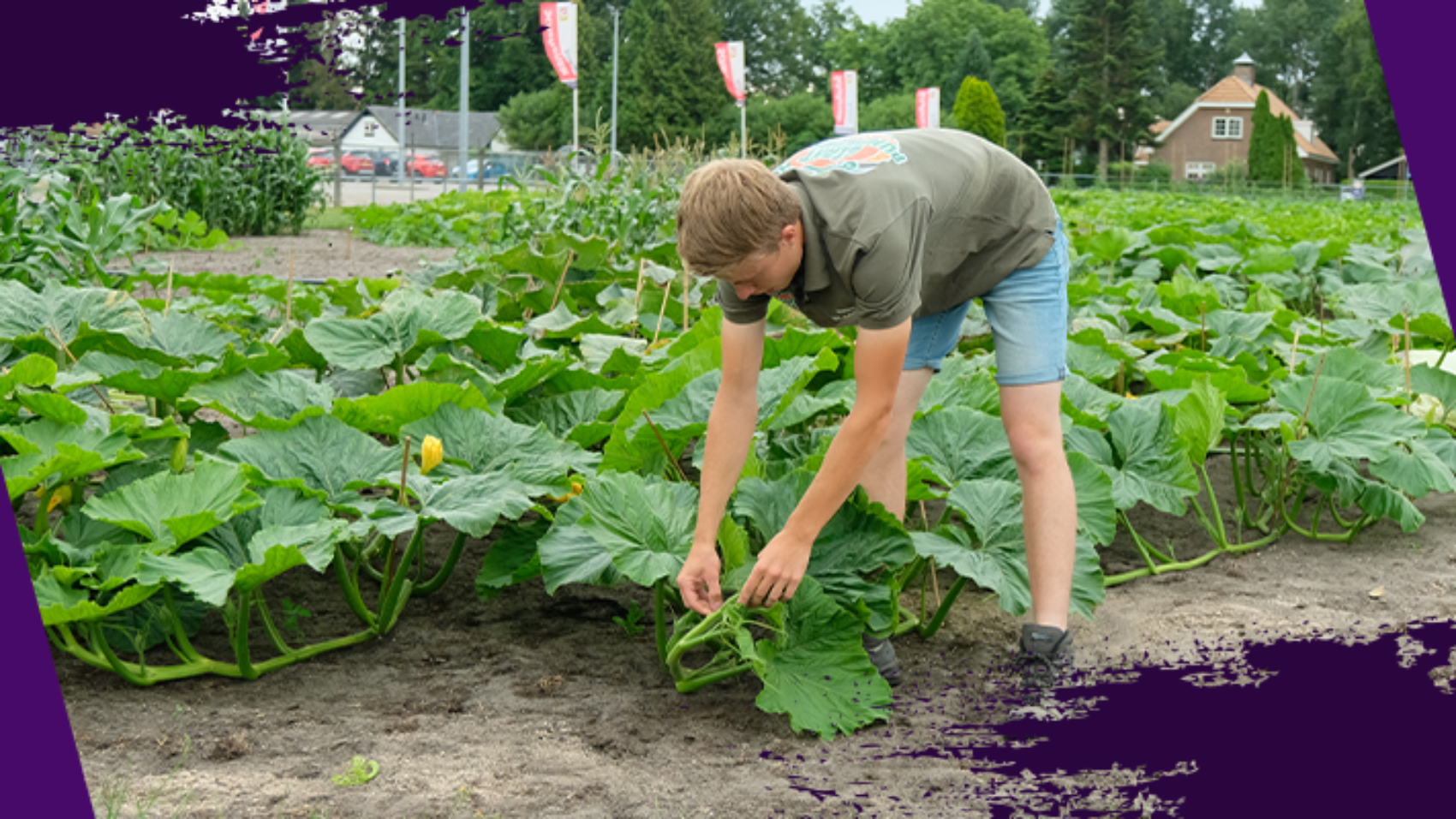
A plant has some basic needs: light, water, carbon dioxide, a nice temperature and humidity. By growing outdoors you get all these basics for free. This is awesome, but there’s a catch: you don’t control how much of these basics you get. Apart from that, your plant is also exposed to weather extremes.

Too much is always wrong

The weather doesn’t care about your cultivation plan. The climate in which your plants grow can’t be controlled. One day it will rain and the next the sun may shine. Your plants will adapt their growth to the situation. The rule of thumb is simple: too much of one thing is never good. Sunlight is essential, but if things are too hot and bright for a long time your plants will not be able to absorb nutrients as well. The plant will reduce leaf surfaces (shriveling) to cut down on moisture evaporation. This is a natural reaction of the plant to protect itself in an environment with no rain. On the other hand, too much rain falling and sinking into the soil will reduce the amount of oxygen. This may increase the chances of roots rotting and it will inhibit your plants’ growth.

How to protect your plants?

  • Initially, you need to be sure that your seeds are comfortable being raised outdoors. This is especially important if you want to move the plants outside fairly early, around the middle of May. You need plants that can handle lower temperatures.
  • Once your plants are outside, you need to ensure they get enough water without being too wet or too dry. Preference for watering are different for each species and variety, so read the description when buying seeds.
  • Ensure your ground has good drainage and use soil improving products. These measures can make an excess of water reasonably controllable. The amount of sun is more difficult to control, especially when plants are fixed in open ground. Burnt pots can be relocated out of the sun. This has the added advantage that you can move your plants to a safe spot in case the weather turns bad, with hard rain, stormy wind or hail.

You can use a rain barrel to compensate for dry periods. By storing the water when it falls, you have a ready supply when it’s dry. Be aware that a rain barrel can be a breeding place for insects and microbes.
2852

Basic definitions you need to know

Growing outdoors for beginners. Like every other hobby, growing plants has its own jargon. When you first start looking into growing methods, soil, pots and different types of nutrients, you get hit with a lot of terms. What is a substrate? Why does it have an EC value and what do these numbers mean to you? Below, we’ll give you the most important basic definitions.

Substrate

The medium that you grow your plants in. This can be a soil or peat based substrate, but there are alternatives based on coconut fibers or clay pebbles. A beginning grower is generally will served by a pre-fertilized soil substrate. This means you don’t have to use nutrients in the first weeks and the soil structure is already good.

NPK

This abbreviation is made up of the elemental name for nitrogen (N), phosphorus (P) and potassium (K). Plants need these elements to grow and flower, but they require them in different combinations and amounts throughout their lives.
That is why fertilizer products always show an NPK value. This gives you a picture of the combination of the nutrients. Extra phosphorus and potassium are always important during flowering.

EC value

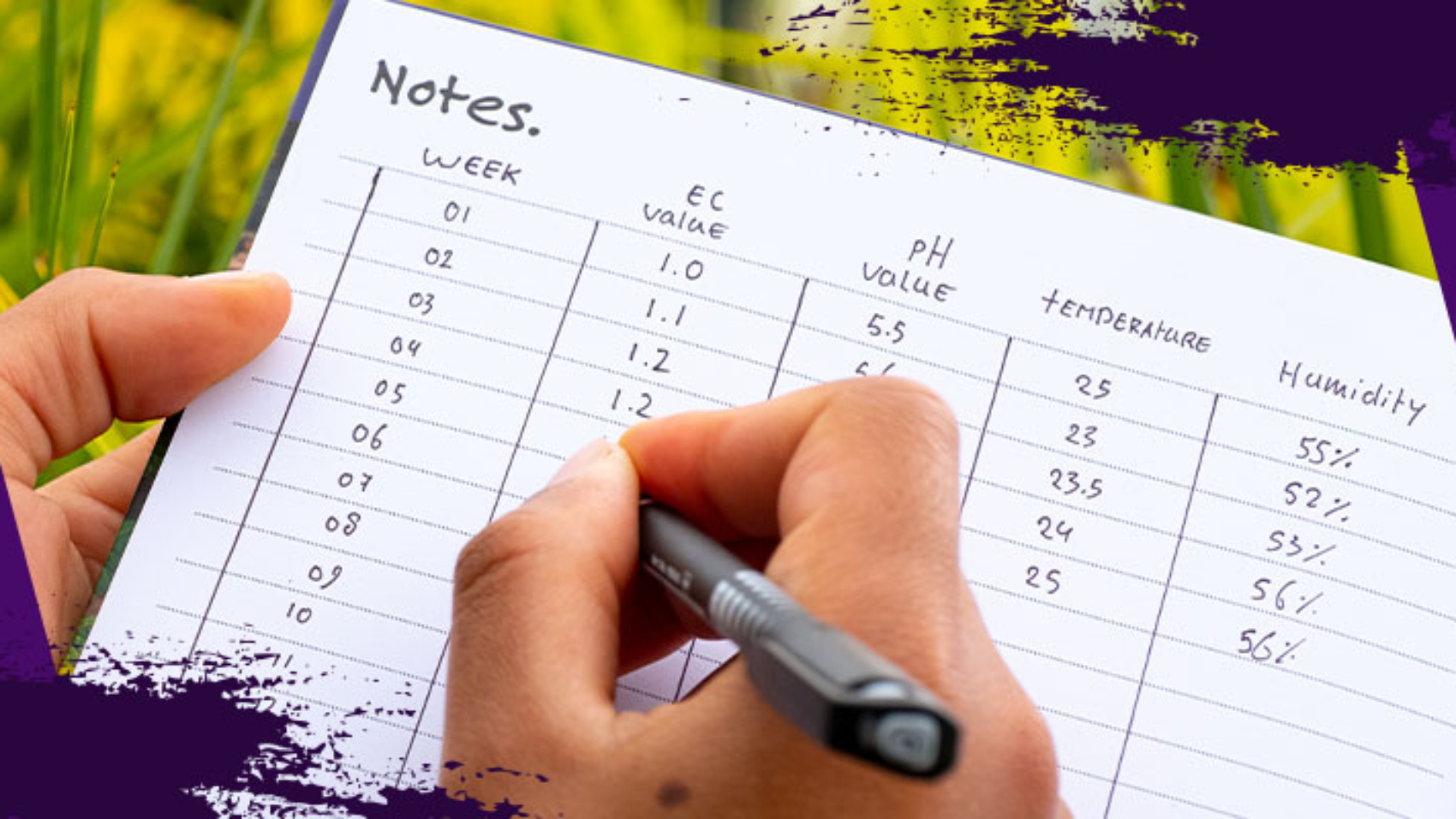
The term ‘EC’ is short for electro conductivity. Water conducts electricity more effectively if there are more salts in the water. These salts, also known as electrolytes, are contained in basic plant nutrition. So EC value also expresses the concentration of nutrients in your nutrient solution. EC values are expressed in micro- or milli-Siemens per centimeter. You can measure this with an EC meter in water, but measuring the EC in the soil is more difficult. Soil retains part of the nutrients and you will have to perform an extraction of a sample. More on this method later. Every Plagron growing style has its’ own recommended EC values. You can find these in the Grow Schedules.

PH value

The pH value is used to express the acidity of soil or water. It’s an important value to be aware of, since each species of plant has a minimum of maximum acidity that it’s comfortable with. Soil can be acidic, pH neutral or chalky. The acidity of the soil is determined by the presence of chalk in the ground. Sandy and peaty soils are usually more acidic than clay, because there’s less chalk in them. The pH value is expressed in a rising scale, which runs from pH 1 to pH 14. PH 1 is extremely acidic and irritating and pH 7 is completely neutral. A pH value that’s too low will inhibit the nutrient uptake of the plant. Each element is optimally absorbed within a certain range of pH. Outside of that range, these nutrients will be taken up less effectively or not at all.

Grow phase

After it’s time as a seedling, this is the first life phase your plant goes through. If you cultivate indoors and ensure enough (artificial) light and good nutrition, the grow phase will only last a few weeks. Outdoors, this will take longer. During the grow phase, plants create more root branchings and most of the green parts that are above ground.

Flowering phase

Once the days get shorter and daylight hours lessen, plants will flower and form fruit. Essentially, this is a procreation mechanic. The shortening days mean that winter is coming and it’s time to create flowers and fruit so the next generation of plants can be spread. For you as a grower, it means a nice harvest!

2621

Pros and cons of growing plants outside

Growing outdoors for beginners. The biggest advantage of growing outdoors is obvious: your plant gets free light and water. This has a drawback in itself, though, because you cannot control the light source (the sun) or the quantity of rainwater. There can be too much rain in a short time, and at other times it can be very hot and dry for a long time. Both situations are detrimental to your plants.

The good

  • Basic requirements of your plants are free.
  • Your project doesn’t take up space inside.
  • Soil structure in the garden is often reasonable to begin with.
  • You can plant in a bigger plant hole outdoors.

The bad

  • Less control over temperature and amounts of water and light.
  • Plants can be damaged by extreme weather situations or insects.
  • Some of these problems can be helped by cultivating in pots. But pots will limit the maximum size your plant will reach.